Introduction
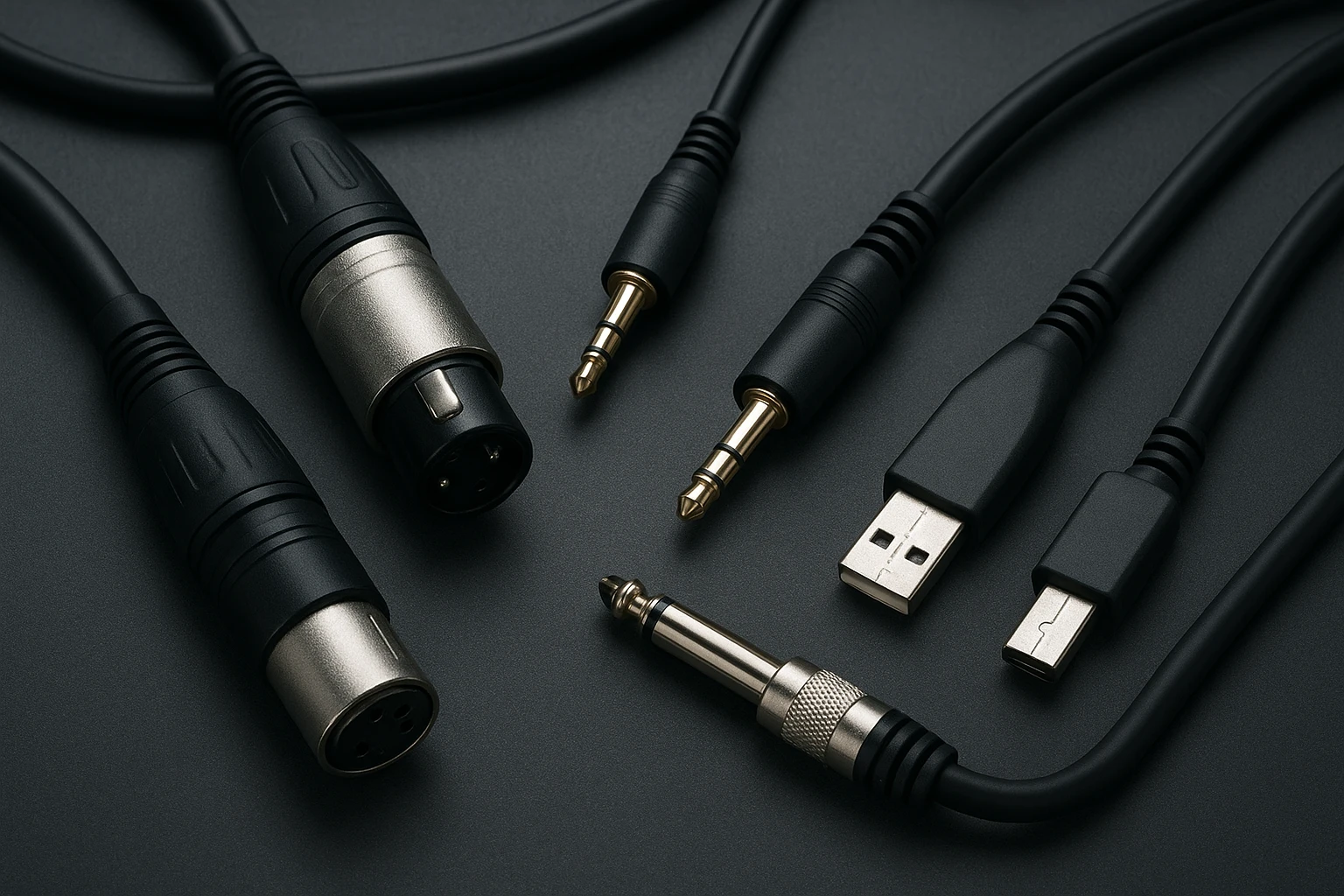
This guide provides podcasters with a comprehensive understanding of studio cables and connectors. Readers will learn the fundamental types of audio cabling, how each variant influences signal integrity, and practical steps for troubleshooting common problems. The article also recommends specific products that deliver high performance without excessive cost. By the end of the guide, one will be equipped to make informed purchasing decisions and maintain a reliable audio chain.
Background and Context
Audio signals travel from microphones, mixers, and audio interfaces to speakers or recording devices through conductive pathways. The quality of those pathways determines whether the signal arrives clean, balanced, and free from interference. In a podcasting environment, where voice clarity and low noise are paramount, selecting appropriate cables is as important as choosing a quality microphone. Understanding concepts such as balanced versus unbalanced connections, shielding, and connector standards forms the foundation for effective studio setup.
Key Cable Types and Their Applications
Balanced XLR Cables
Balanced XLR cables employ three conductors: positive, negative, and ground. The positive and negative signals carry identical audio information but with opposite polarity, allowing any noise induced along the cable to cancel when the signal reaches the receiving device. This design makes XLR the preferred choice for microphones, audio interfaces, and professional mixers.
For podcasters who require a durable, noise‑free connection between a microphone and an audio interface, the Monoprice XLR to 1/4 TRS Cable offers a high‑fidelity solution. It features gold‑plated connectors, 16 AWG conductors, and a separate braided shield that reduces electromagnetic interference. The product holds a rating of 4.7 out of 5 stars from 7,184 reviews and is priced at $9.99.
Short Color‑Coded XLR Cables
In live‑recording or multi‑mic setups, quickly identifying cables can prevent misrouting and downtime. The EBXYA XLR Cable pack supplies ten 2‑foot cables in distinct colors, each with zinc‑alloy 3‑pin connectors that are nickel‑plated for durability. The dual‑shielded construction with oxygen‑free copper and aluminum foil reduces signal loss, while the self‑locking design ensures secure connections. With a rating of 4.7 stars from 3,335 reviews and a price of $31.44, this bundle streamlines stage and studio organization.
Standard Length XLR Microphone Cables
For most home‑studio configurations, a 10‑foot XLR cable provides sufficient reach without excessive slack. The Amazon Basics XLR Microphone Cable includes all‑copper conductors, inner copper spiral shielding, and zinc‑alloy connectors with nickel plating. It is rated 4.7 out of 5 stars by 47,907 reviewers and costs $11.50, representing a reliable value for podcasters on a budget.
Long‑Run Balanced XLR Cables
When a recording space requires extended cable runs, low capacitance and robust shielding become critical. The MIKIZ XLR Mic Cable offers a 50‑foot length in a two‑pack configuration, utilizing 22 AWG tinned oxygen‑free copper and dual shielding of aluminum foil and braided copper. The silver‑plated screw‑type connectors allow easy inspection of solder points. With a 4.8‑star rating from 1,010 reviews and a price of $42.50, these cables are suited for large studios or stage environments.
1/4‑inch to Dual RCA Interconnects
Many podcasters integrate consumer‑grade equipment such as headphones amplifiers or legacy receivers that accept RCA inputs. The J&D 1/4 to Dual RCA Audio Cable provides a 6‑foot connection with gold‑plated TS connectors and dual RCA plugs. Constructed from oxygen‑free copper with multi‑layer shielding, the cable maintains signal purity while offering flexible organization. It holds a 4.7‑star rating from 4,444 reviews and is priced at $11.75.
Comparison and Selection Guide
Selecting the optimal cable depends on three primary factors: length, shielding, and connector type. The table below summarizes the key attributes of the featured products, allowing podcasters to match specifications with workflow requirements.
| Product | Length | Connector Type | Shielding | Price | Rating |
|---|---|---|---|---|---|
| Monoprice XLR to 1/4 TRS Cable | 6 ft | XLR male to 1/4‑inch TRS male | Separate braided shield | $9.99 | 4.7 |
| EBXYA XLR Cable (10 Pack) | 2 ft each | XLR male to female | Dual shield with oxygen‑free copper | $31.44 | 4.7 |
| Amazon Basics XLR Cable | 10 ft | XLR male to female | Copper spiral shielding | $11.50 | 4.7 |
| MIKIZ XLR Mic Cable (2 Pack) | 50 ft each | XLR male to female (screw‑type) | Aluminum foil + braided copper | $42.50 | 4.8 |
| J&D 1/4 to Dual RCA Cable | 6 ft | 1/4‑inch TS to dual RCA | Multi‑layer shielding | $11.75 | 4.7 |
For short, high‑quality microphone runs, the Monoprice cable offers the best price‑to‑performance ratio. For color‑coded organization, the EBXYA pack eliminates confusion on busy stages. When long cable runs are unavoidable, the MIKIZ 50‑foot cables maintain signal integrity with low capacitance. Finally, the J&D interconnect bridges professional and consumer gear without sacrificing fidelity.
Best Practices and Tips
- Always use balanced cables (XLR or TRS) for microphone and line‑level connections to reject noise.
- Route cables away from power supplies, lighting rigs, and wireless transmitters to minimize electromagnetic interference.
- Secure connectors with strain‑relief boots or cable ties to prevent accidental pulls that can damage solder joints.
- Periodically inspect connectors for oxidation; cleaning with a contact cleaner can restore conductivity.
- Label cables, especially in multi‑mic setups; color‑coded bundles such as the EBXYA set reduce troubleshooting time.
Frequently Asked Questions
What is the difference between balanced and unbalanced cables?
Balanced cables carry two identical signals with opposite polarity, allowing noise picked up along the cable to cancel at the receiving end. Unbalanced cables use a single signal conductor and ground, making them more susceptible to interference over long distances.
Can I use a 1/4‑inch TS cable in place of an XLR cable?
A TS connector is unbalanced, so substituting it for an XLR connection will introduce potential noise, especially in studio environments. For microphone connections, always prefer XLR or TRS balanced cables.
How long can an XLR cable be before signal loss becomes an issue?
High‑quality, low‑capacitance XLR cables can reliably run up to 100 feet without noticeable degradation. Beyond that length, a direct‑box or active pre‑amp may be required to boost the signal.
Do gold‑plated connectors improve audio quality?
Gold plating prevents oxidation and maintains a low‑resistance connection over time. While the audible difference is subtle, gold‑plated connectors contribute to long‑term reliability.
Is it necessary to match cable gauge to the application?
Thicker conductors (lower gauge numbers) reduce resistance and are advantageous for long runs or high‑current applications such as powering active speakers. For typical microphone connections, 16 AWG or 22 AWG is sufficient.
Conclusion
This guide has outlined the essential cable types, highlighted critical selection criteria, and presented vetted product recommendations for podcasters. By understanding the technical distinctions between balanced and unbalanced connections, applying best‑practice routing, and choosing cables that align with specific studio demands, podcasters can achieve clean, reliable audio recordings. The featured products provide a range of options from budget‑friendly to professional‑grade, ensuring that every podcaster can build a robust signal chain.
Products Featured in This Guide
Monoprice XLR to 1/4 TRS Cable
Price: $9.99 | Rating: 4.7/5 (7,184 reviews)
Featured for its gold‑plated connectors, separate braided shield, and excellent value for short balanced runs.
EBXYA XLR Cable
Price: $31.44 | Rating: 4.7/5 (3,335 reviews)
Featured for its color‑coded 2‑foot cables, dual shielding, and self‑locking connectors that streamline stage setups.
Amazon Basics XLR Microphone Cable
Price: $11.50 | Rating: 4.7/5 (47,907 reviews)
Featured for its all‑copper conductors, spiral shielding, and affordable length suitable for most home studios.
MIKIZ XLR Mic Cable
Price: $42.50 | Rating: 4.8/5 (1,010 reviews)
Featured for its 50‑foot low‑capacitance design, dual shielding, and screw‑type connectors ideal for large venues.
J&D 1/4 to Dual RCA Audio Cable
Price: $11.75 | Rating: 4.7/5 (4,444 reviews)
Featured for its versatile 1/4‑inch to RCA connectivity, gold‑plated connectors, and robust shielding for mixed‑gear setups.
Frequently Asked Questions
What is the difference between balanced XLR and unbalanced TS cables?
Balanced XLR cables use three conductors to cancel noise, while unbalanced TS cables have two conductors and are more prone to interference.
Why is shielding important for podcast studio cables?
Shielding blocks electromagnetic interference, preserving signal clarity and reducing hum in recordings.
How can I troubleshoot a hissy or crackling sound in my podcast audio chain?
Check cable connections, replace damaged cables, and ensure you’re using balanced cables for long runs.
What connector type should I use for connecting a microphone to an audio interface?
Use an XLR connector, as most professional microphones and interfaces support balanced XLR connections.
Are there affordable cable brands that still offer high performance for podcasters?
Yes, brands like Mogami, Monoprice, and Hosa provide reliable, well‑shielded cables at budget‑friendly prices.