Introduction
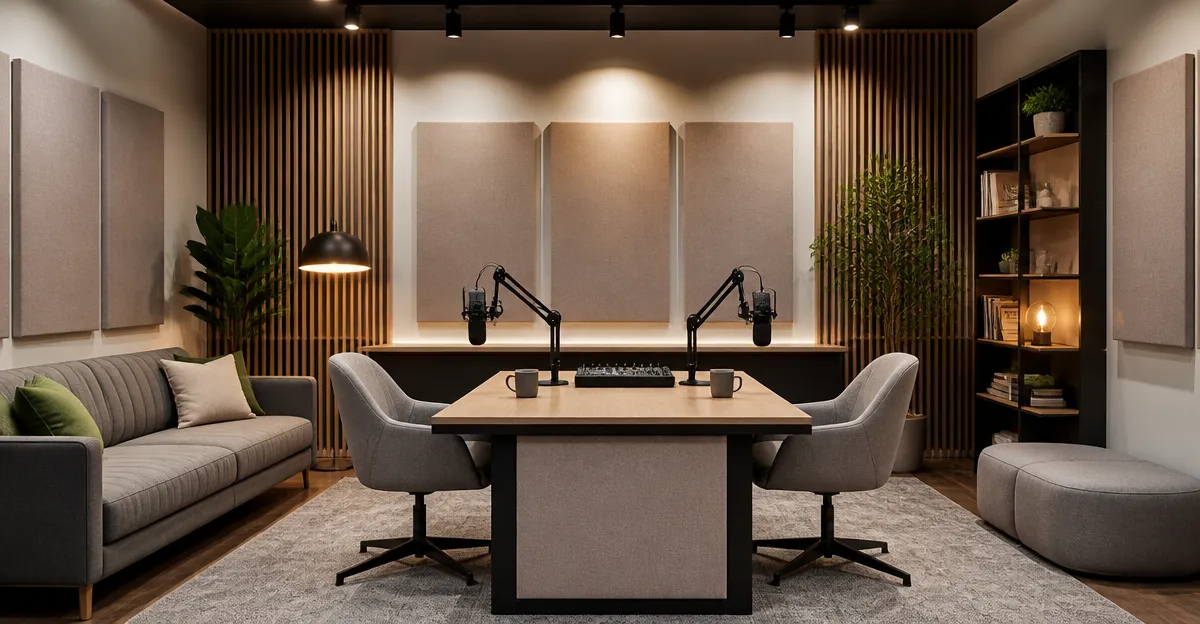
Creating a professional podcast studio requires more than a high‑quality microphone; the acoustic environment determines clarity, presence, and listener comfort. Uncontrolled reflections, reverberation, and background noise can diminish vocal intelligibility, making even the most articulate speaker sound muddy. By incorporating acoustic furniture that absorbs, diffuses, and decorates, podcasters can achieve a balanced sound field while maintaining an attractive visual backdrop.
The following list presents twelve carefully selected acoustic furniture pieces that combine performance, affordability, and aesthetic appeal. Each recommendation draws from real‑world customer experiences, technical specifications, and price points, allowing readers to make informed decisions that suit both budget constraints and design preferences.
- Budget‑Friendly Foam Panels
The SD SODOCT Pyramid Acoustic Foam offers an economical entry point for podcasters seeking immediate echo reduction. Priced at $34.99 for a 24‑pack, these 2‑inch thick pyramid panels deliver a respectable Noise Reduction Coefficient (NRC) and feature flame‑retardant foam for safety. Customers note that the panels "work wonders" in untreated rooms and appreciate the quick installation using construction adhesive or double‑sided tape. Although the panels are not intended for full soundproofing, they effectively tame mid‑range reflections in home studios.
- Versatile Hexagon Panels for Visual Appeal
The Ekkogo Hexagon Acoustic Panels combine high‑density poly‑fiber with a decorative hexagonal shape, providing both acoustic performance and a modern aesthetic. At $22.99 for a 12‑pack, each panel achieves an NRC of up to 0.95, reducing echo in classrooms and home offices. Reviewers highlight the panels' ease of installation with construction adhesive and the ability to cut them for custom patterns. The light turquoise hue adds a splash of color, turning a functional acoustic treatment into a design statement.
- Self‑Adhesive Brick‑Style Panels
For podcasters who prefer a quick, tool‑free solution, the NEPIS Self‑Adhesive Acoustic Panels deliver high‑density polyester foam with a 3‑D brick finish. Priced at $39.99 for a 20‑pack, the panels feature an NRC above 0.95 and include a peel‑and‑stick backing, eliminating the need for additional adhesives. Users commend the panels for reducing room reverberation while adding a contemporary brick motif. One reviewer observed that the panels stayed in place even when a cat climbed the wall, underscoring their reliable adhesion.
- Premium Wood Slat Wall Panels – TONOR
The TONOR Wood Slat Wall Panels blend high‑density polyester fiber with a solid wood veneer, creating a sophisticated acoustic solution. Each 4‑pack costs $99.99 and measures 47.2" × 23.6", covering roughly 31 ft². Customers praise the panels for their elegant walnut finish, easy installation with supplied screws, and noticeable reduction in echo. The combination of sound‑damping core and decorative wood surface makes these panels suitable for living rooms, offices, and podcast booths where style matters as much as function.
- High‑End Wood Slat Panels – NeatiEase
The NeatiEase Wood Slat Wall Panels target users seeking both acoustic performance and eco‑friendly materials. At $179.99 for a 4‑piece set, each panel measures 96" × 12.6" and covers about 33 ft². Constructed from MDF and high‑density polyester fiber, the panels are certified low‑TVOC and sourced from sustainable forests. Reviewers highlight the panels' striking teak colour, robust felt backing, and ease of cutting for custom layouts. The panels serve as a premium acoustic accent that elevates a basement studio or home theater.
- Hybrid Foam‑and‑Wood Treatment
Combining the budget‑friendly SD SODOCT Pyramid Acoustic Foam on the ceiling with TONOR Wood Slat Wall Panels on the walls creates a balanced absorption‑diffusion system. The foam addresses high‑frequency reflections overhead, while the wood slats manage mid‑range reverberation and add visual warmth. This layered approach mirrors professional studio designs, delivering a polished soundscape without excessive expenditure.
- Ceiling‑Mounted Pyramid Foam
Installing the pyramid foam panels directly on the ceiling of a small podcast room can dramatically reduce flutter echo. Because the panels are lightweight and require only adhesive, they can be arranged in a staggered pattern to maximize surface area. Users report that the panels "expanded" after unpacking and began absorbing sound within hours, creating a quieter environment for vocal recordings.
- Artistic Acoustic Wall Art
Deploy the Ekkogo Hexagon Acoustic Panels as a decorative mosaic. By arranging the hexagons in a gradient or geometric pattern, podcasters can transform a bland wall into a focal point that simultaneously dampens reflections. The panels' beveled edges and colour options enable creative designs that complement branding colours or studio themes.
- Portable Podcast Booth
A mobile recording booth can be assembled using a frame covered with SD SODOCT Pyramid Acoustic Foam and reinforced with NEPIS Self‑Adhesive Acoustic Panels on the interior walls. The foam provides lightweight absorption, while the brick‑style panels add structural rigidity and additional diffusion. This configuration allows podcasters to record on location without sacrificing acoustic quality.
- Acoustic Treatment for Compact Spaces
In a bedroom or home office with limited wall area, the self‑adhesive nature of the NEPIS Self‑Adhesive Acoustic Panels makes them ideal. Their thin profile (0.36") fits neatly above furniture, and the peel‑and‑stick backing reduces installation time. Users have noted that a modest arrangement of ten panels can noticeably lower background chatter, making the space suitable for solo recordings.
- Eco‑Friendly Acoustic Solutions
Both the Ekkogo Hexagon Acoustic Panels and NeatiEase Wood Slat Wall Panels emphasize sustainability. Ekkogo panels incorporate recycled ocean plastic equivalent to four water bottles per panel, while NeatiEase panels use low‑TVOC MDF sourced from certified forests. For environmentally conscious podcasters, these products deliver performance without compromising ecological values.
Comparison Table
| Product | Price (USD) | Rating | Key Material | Coverage (ft² per pack) |
|---|---|---|---|---|
| SD SODOCT Pyramid Acoustic Foam | 34.99 | 4/5 (2,393) | Flame‑retardant foam | ≈ 24 ft² |
| Ekkogo Hexagon Acoustic Panels | 22.99 | 4.3/5 (633) | High‑density poly‑fiber | ≈ 12 ft² |
| NEPIS Self‑Adhesive Acoustic Panels | 39.99 | 4.3/5 (453) | High‑density polyester | ≈ 20 ft² |
| TONOR Wood Slat Wall Panels | 99.99 | 4.4/5 (1,151) | Wood veneer & MDF | 31 ft² (4‑pack) |
| NeatiEase Wood Slat Wall Panels | 179.99 | 4.6/5 (585) | MDF & polyester fiber | 33 ft² (4‑piece) |
Conclusion
Effective acoustic treatment is essential for producing clear, engaging podcast content, yet it does not have to be costly or visually unappealing. By selecting the appropriate combination of foam, wood, and decorative panels, podcasters can tailor their studios to match acoustic goals, budgetary limits, and design aesthetics. The twelve options presented above illustrate how a strategic mix of budget‑friendly and premium products can deliver professional‑grade sound quality while enhancing the visual character of any recording space.
When deciding which pieces to incorporate, consider room size, existing furnishings, and the desired balance between absorption and diffusion. Begin with inexpensive foam for ceiling treatment, add wood slats for wall elegance, and finish with decorative hexagons or brick‑style panels to complete the acoustic envelope. With thoughtful implementation, any podcaster can achieve a polished soundstage that captivates listeners and reflects personal style.
Products Mentioned in This Article
Frequently Asked Questions
What is the purpose of acoustic furniture in a podcast studio?
Acoustic furniture absorbs and diffuses sound to reduce echo, reverberation, and background noise, improving vocal clarity and listener comfort.
Are foam panels a good budget option for beginners?
Yes, 2‑inch pyramid foam panels like the SD SODOCT set provide noticeable echo reduction at a low cost, making them ideal for entry‑level podcasters.
How many acoustic panels are typically needed for a small home studio?
A small room (8‑10 ft) usually benefits from covering 20‑30% of wall surface with panels, which often translates to 8‑12 panels depending on size.
Can acoustic furniture also serve as décor?
Many acoustic pieces combine fabric‑wrapped panels, wooden diffusers, and stylish furniture that blend sound treatment with visual appeal.
Do I need professional installation for acoustic furniture?
Most modular panels and furniture are designed for DIY mounting with adhesive or hooks, so professional help is rarely required.